In 1914, Heart of Midlothian Football Club found themselves in pole position in the Scottish League after winning their opening 8 league fixtures (their best start to a season in the club’s history). Sitting pretty as the best side in the country, Hearts looked like the finished article. Meanwhile, Britain was at war with Germany.
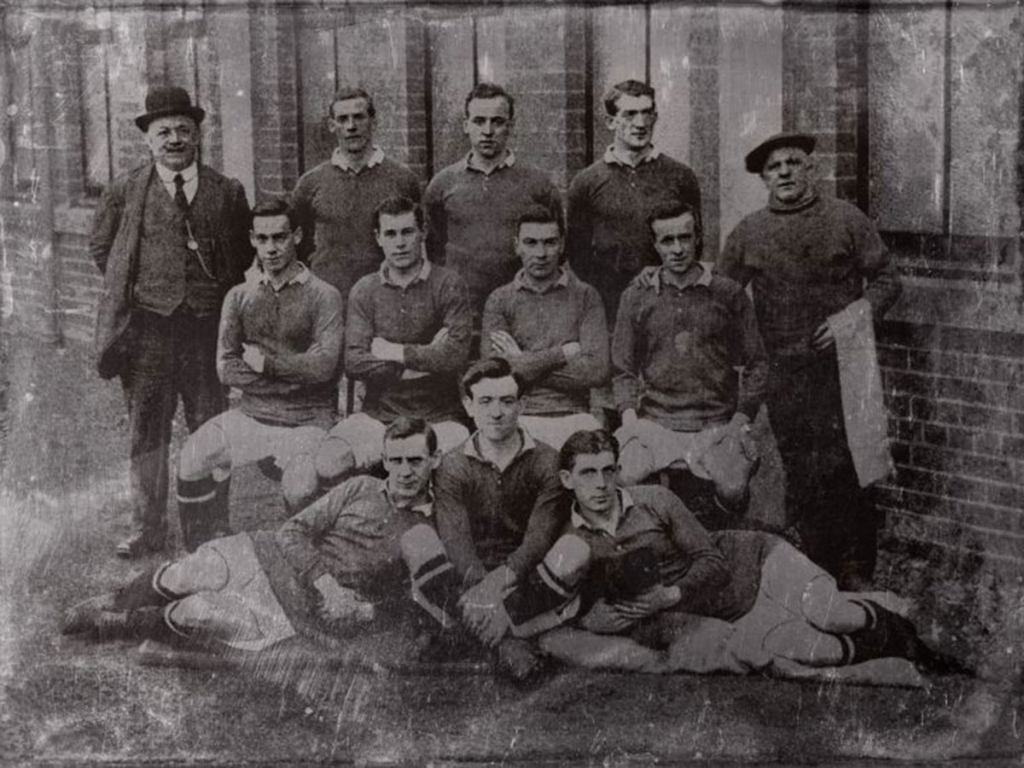
The First World War was very different to many conflicts that had come before. It involved everyone, civilians and soldiers alike. There were great senses of duty and nationalism amongst the people of Britain. This was played on by Lord Kitchener, who drummed up the feelings of national responsibility and the necessity to go to war for your country.
Kitchener quickly realised that, when it came to recruiting soldiers, it was much more likely that men would be willing if they could do so with their friends. This led to the introduction of the famous ‘pals battalions’, where men were able to go off to defend their nation with the people they were closest to. At this point, though, Hearts FC were nothing to do with the war. They were focussed on conquering the division, whilst the German army conquered much of Europe. The continuation of the football season while men lay slaughtered in foreign fields brought about outrage in Britain, and “crazy” football was to blame for “undermining the moral health” of the youth of the country.
Football players and supporters were called upon to play the greater game, the game of war. This was initially rejected by clubs like Heart of Midlothian, who stated that the players were under contract and to sign them to the British Army would be breeching their conditions. This didn’t settle the feelings of those who opposed the continuation of football during the war. This feeling may have been down to the realisation that the war would not be over by Christmas, and the knowing that more and more men would be needed to fight.
Being the leading club in Scotland, Hearts players were subject to the largest amount of scrutiny when it came to pondering why footballers were not signed up to the army. Many of the players were labelled as cowards and the question was now raised in Parliament: Why has the football season not been halted?
On the 25th of November 1914, after receiving more than their fair share of attention, 11 Hearts players signed up to a brand new Battallion. The 11 men joined up with other sportsmen (some amateurs and some professional). They formed a ‘Pals Battallion’, which was named “McCrae’s Battallion” after their colonel. 5 more Hearts players would sign up and, after these men, 500 of Hearts’ fans joined. They had responded to the calls to war. Of course, this made for simply excellent publicity. Kitchener was able to show off the valiant men of Hearts, and their story was used to persuade their followers (and general lovers of football) to follow in their heroes’ footsteps. This is an understatement for what happened. Over 500 men of the region joined as a result of the Hearts team doing so. An act so admiral that it has been honoured around Tynecastle Stadium and Edinburgh.
12 of the players hailing from Edinburgh would never return to the football pitch. Despite displaying the remarkable bravery to sign up, these men were killed in action on the Western Front. There are few stories regarding the Battalion when they reached the Front, but it’s certain that the men of Scotland did their people proud. They have since been honoured in Edinburgh and across Britain.
This is just one of the remarkable stories of the First World War, but it is one that’s most certainly worth knowing.
@mattcn11
 MC
MC 